Expert Advice from Rich Green Lawns’ State-Licensed Plant Health Care Technicians
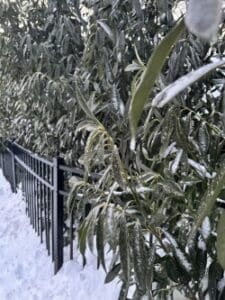
After an ice storm, it’s common for homeowners across Monmouth County and Ocean County to worry about the health of their trees and shrubs. From Colts Neck and Marlboro to Toms River, Brick, and Point Pleasant, winter ice events can put significant stress on landscapes throughout Central New Jersey.
At Rich Green Lawns, our highly trained, state-licensed Plant Health Care Technicians regularly inspect storm-damaged landscapes and help homeowners avoid costly, preventable damage. If your trees and shrubs are currently coated in ice, here’s what you should — and shouldn’t — do.
Don’t Try to Remove Ice from Trees or Shrubs
One of the biggest mistakes we see after ice storms in towns like Freehold, Howell, Wall, and Jackson is homeowners trying to shake, knock, or chip ice off branches.
❌ Avoid these actions:
- Shaking branches to “help” the ice fall
- Hitting branches with tools or broom handles
- Attempting to chip or break ice off manually

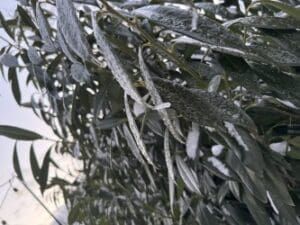
Ice makes wood extremely brittle. Forcing it off often results in broken limbs, split trunks, and bark damage that can weaken trees long-term.
✅ Best practice:
Allow the ice to melt naturally. While it may look alarming, this is the safest option for your landscape.
Minimize Stress on Ice-Covered Plants
Across coastal and inland areas like Red Bank, Middletown, Manasquan, and Lacey Township, ice accumulation can cause branches to bow or sag under the weight.
To reduce additional stress:
- Keep pets, children, and foot traffic away from iced shrubs
- Avoid brushing against low-hanging limbs
- Do not pile snow or ice on shrubs after shoveling
Once temperatures rise and the ice melts, many plants — especially evergreens — will naturally rebound.
Wait Before Pruning Storm Damage
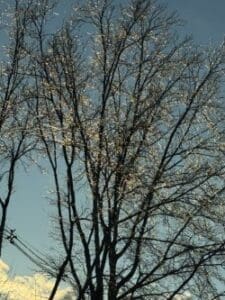
In communities like Holmdel, Hazlet, Barnegat, and Stafford, ice damage can look far worse than it actually is.
Our Plant Health Care Technicians recommend:
- Waiting several days after the storm before pruning
- Only removing limbs that are broken, hanging, or pose a safety hazard
- Making clean, proper pruning cuts — never tearing or snapping branches
Pruning too soon can remove living tissue that would otherwise recover once the plant de-stresses.
Evergreen Trees & Shrubs Often Recover Well
Homeowners in Colts Neck, Rumson, Spring Lake, and Sea Girt frequently worry about arborvitae, pines, and spruces after ice storms.
The good news:
- Evergreens are flexible and often spring back
- Bent branches may return to shape once ice melts
- Temporary discoloration does not always mean permanent damage
Our technicians carefully evaluate structural damage versus cosmetic stress before recommending any corrective action.
Avoid Fertilizing After an Ice Storm
Fertilizing too early — especially during winter or late cold snaps — can stimulate weak growth that’s more vulnerable to future weather damage.
At Rich Green Lawns, we advise waiting until:
- Spring temperatures stabilize
- The plant resumes normal growth
- A professional evaluation confirms it’s appropriate
Proper timing is key to long-term plant health in New Jersey landscapes.
When to Call a Plant Health Care Professional
If you notice:
- Split trunks or large cracked limbs
- Trees leaning significantly after ice melts
- Repeated ice or snow damage year after year
It may be time for a professional inspection.
Our state-licensed Plant Health Care Technicians provide expert evaluations for homeowners throughout Monmouth County and Ocean County, including Freehold, Marlboro, Howell, Brick, Toms River, Jackson, Middletown, and surrounding towns.
Trusted Local Expertise from Rich Green Lawns
Ice storms are unpredictable, but your response doesn’t have to be. With decades of combined experience and deep knowledge of New Jersey’s soil, climate, and plant species, Rich Green Lawns helps protect and preserve landscapes year-round.
If you’re concerned about storm damage or want to proactively protect your trees and shrubs, our team is here to help — locally, professionally, and responsibly.